
Jan 30, 2026
Before You Call a Mold Inspector
Finding or suspecting mold in your home can trigger instant anxiety. Most people jump straight to: “I need an inspection right now.” And while professional testing absolutely has its place, not every situation requires spending hundreds of dollars immediately.
Even though we’ve got years of experience, training, and some pretty cool equipment, homeowners can often perform a solid first check themselves. Think of it like noticing your tire looks low. Before replacing the entire tire, you check the pressure. Sometimes it’s just cold weather. Sometimes it’s a leak. That quick check saves money and gives clarity.
Mold is similar. There are smart, practical steps you can take before calling a professional.
Step 1: Follow the Moisture
Mold doesn’t appear randomly. It follows moisture. Always.
If there’s no moisture problem, mold cannot grow. So your first job isn’t to hunt for mold — it’s to hunt for water.
Check:
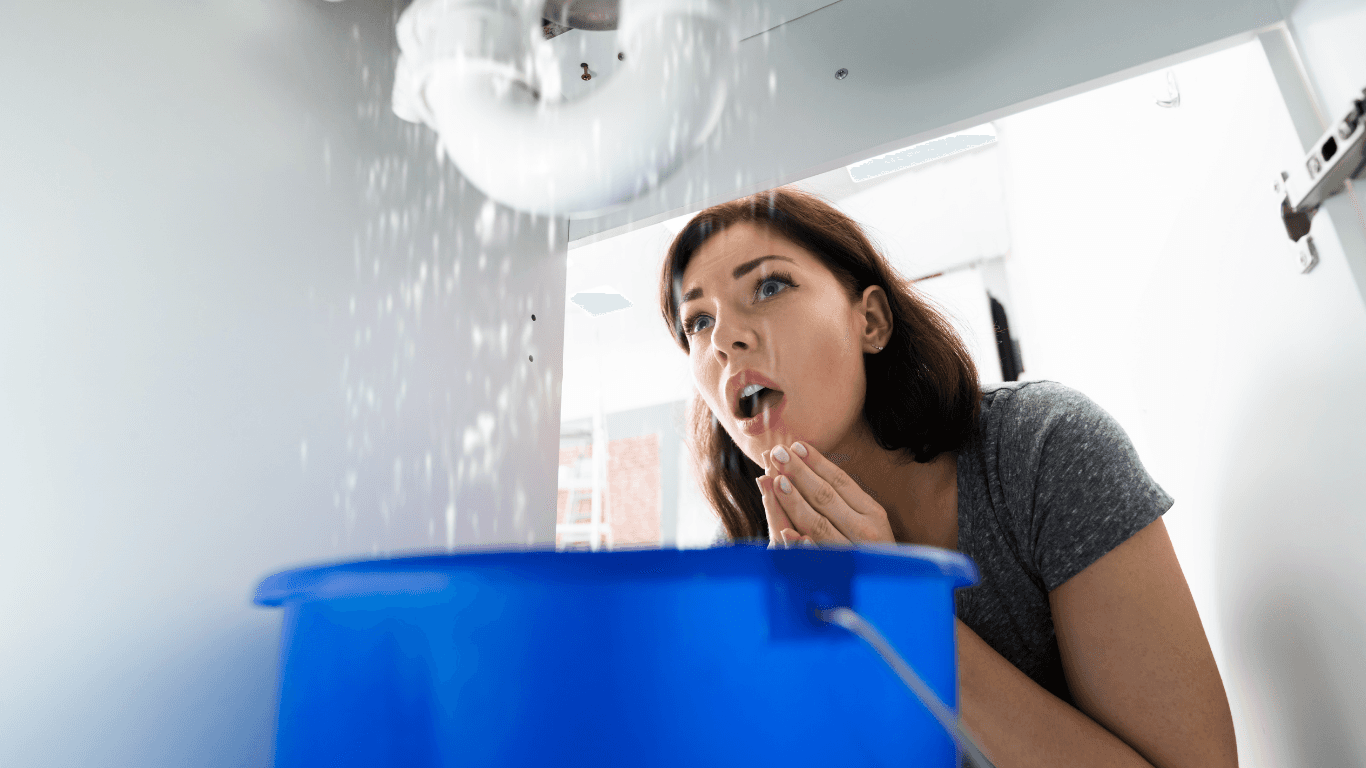
Under sinks
Around toilets
Near showers and tubs
Window sills
Basements
Attics
Around HVAC units
Ceiling stains
Exterior walls after storms
You’re looking for:
Water stains
Peeling paint
Warped wood
Soft drywall
Musty smell
Persistent condensation
If you find active moisture, you’ve found the root of the problem. Mold is a symptom. Water is the cause.
Fixing moisture early often prevents a much larger (and more expensive) mold issue later.
Step 2: Use Your Nose
Your nose is one of the best mold detectors you own.
That classic musty, earthy, old-basement smell? That’s microbial growth. Even if you don’t see mold, your nose can detect hidden issues behind walls, inside closets, or under flooring.
Try this:
Close a room for a few hours
Walk in fresh
Take a slow breath
If the smell hits you immediately, something is feeding microbial growth.
No gadgets required.
Step 3: Look in the Boring Places
Mold doesn’t grow where it’s convenient. It grows where it’s ignored.
Check:
Behind furniture pushed against exterior walls
Closet corners
Behind washing machines
Under carpets near exterior doors
Garage walls
Storage boxes
Basement corners
You’re not looking for horror-movie mold. Most mold starts small:
Speckling
Faint discoloration
Dust-like patches
Grey, green, or black dots
Catching it early means you’re preventing escalation.
Step 4: Watch Your Humidity
Indoor humidity should ideally sit between 35%–50%.
Above 60%? You’re feeding mold.
You can buy a hygrometer online for the price of a coffee. If your home is consistently humid:
Use bathroom fans
Use kitchen ventilation
Run a dehumidifier
Improve airflow
Check crawlspaces and basements
Humidity control is mold prevention.
When You Should Call a Professional
DIY checks are great — but there are moments where professional inspection is absolutely worth it:
You smell mold but can’t find the source
You’ve had flooding or leaks
Health symptoms worsen indoors
You’re buying or selling a home
Visible growth is spreading
You want lab-confirmed answers
You need documentation for insurance or legal reasons
That’s where experience, training, and equipment matter.
The Goal Isn’t to Avoid Inspectors — It’s to Be an Informed Homeowner
We’re not here to scare people into inspections. We’re here to help people understand their homes.
Sometimes your DIY check will confirm everything is fine. Sometimes it’ll uncover a small moisture issue you can fix immediately. And sometimes it’ll tell you: “Yeah… it’s time to call someone.”
All three outcomes are wins.
Because an informed homeowner makes smarter decisions — and often saves a lot of money in the process.