Feb 10, 2026
When Mold Kills Real Estate Deals — And When It Shouldn’t
Few words derail real estate transactions faster than “mold.”
Buyers panic. Sellers get defensive. Deals stall — or collapse entirely.
But here’s the truth most people don’t hear:
Not all mold findings should kill a deal.
And ignoring mold entirely can be just as risky.
The key is understanding what actually matters — and what doesn’t.
Why Mold So Often Blows Up Deals
Mold has a reputation problem.
Many buyers hear “mold” and immediately think:
unsafe living conditions
massive remediation bills
long-term health risks
Meanwhile, sellers often assume:
inspectors are exaggerating
testing is unnecessary
any mold mention will tank value
Both reactions are understandable — and both are often misinformed.
Most deals don’t fail because of mold.
They fail because of poor information and emotional decision-making.
When Mold Should Be Taken Seriously
There are situations where mold findings deserve real concern and careful handling.
A deal should pause when:
1. Moisture Problems Are Active
Mold is a symptom, not the disease.
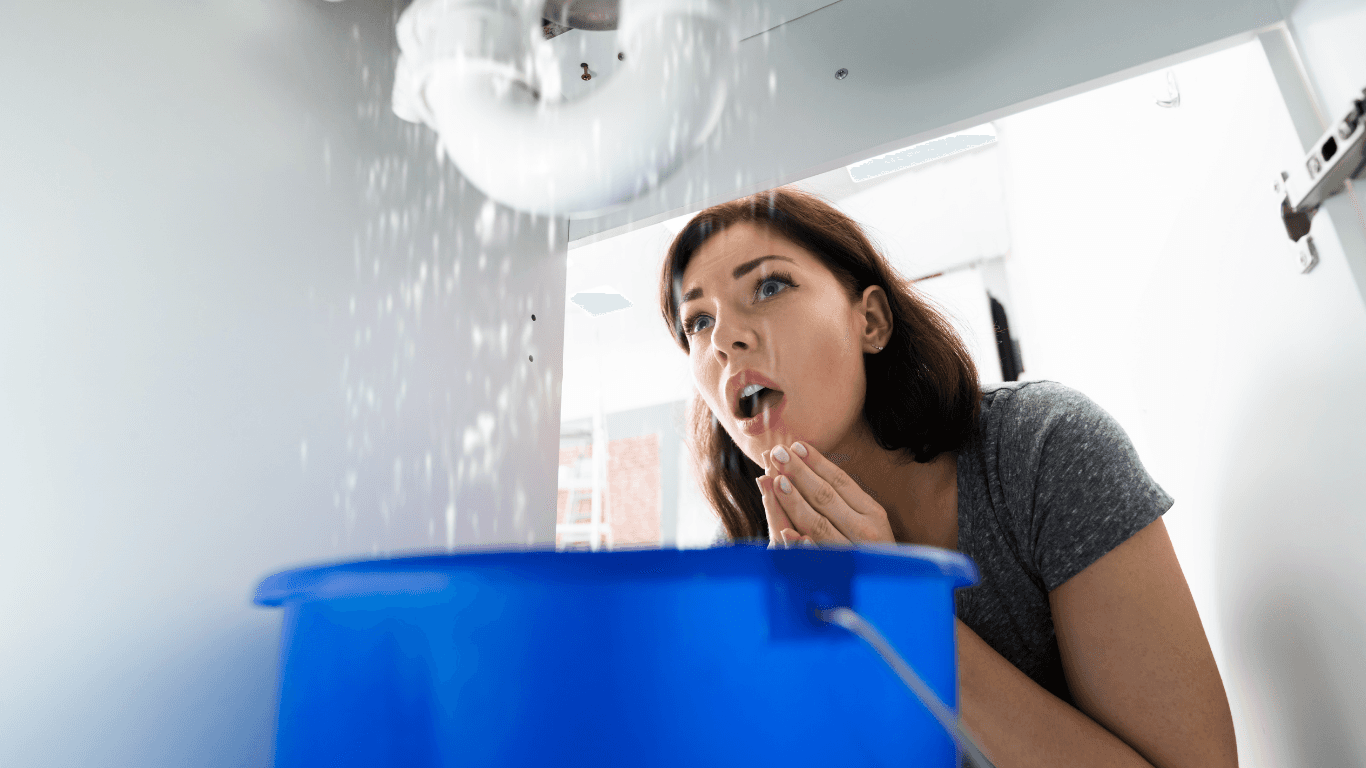
Ongoing water intrusion, leaks, elevated moisture in framing, or chronic humidity issues signal a problem that can worsen over time if not addressed.
2. Growth Is Extensive or Widespread
Small, localized areas are one thing.
Multiple rooms, concealed wall cavities, or structural materials are another.
Extent matters more than appearance.
3. Vulnerable Occupants Are Involved
Homes with infants, elderly occupants, or individuals with respiratory conditions may require a more cautious approach — even for lower-level findings.
4. There Is No Clear Remediation Path
If no qualified contractor can reasonably address the issue, that uncertainty alone can justify renegotiation or delay.
In these cases, mold isn’t “killing the deal.”
It’s protecting the buyer from a legitimate risk.
When Mold Shouldn’t Kill a Deal
This is where most real estate transactions go wrong.
1. Cosmetic or Historical Conditions
Not all discoloration is active mold growth.
Staining from past moisture events can remain long after a problem has been resolved. Without testing or moisture data, assumptions are just guesses.
2. Small, Localized Findings
Minor surface-level conditions in bathrooms, laundry rooms, or basements are common in homes — especially older ones.
These are often straightforward to address and rarely justify walking away.
3. Lab Results Are Misinterpreted
“Presence” does not automatically mean “hazard.”
Context matters:
location
moisture conditions
extent
building use
Data without interpretation causes unnecessary fear.
4. Mold Is Used as a Negotiation Weapon
Sometimes mold becomes leverage rather than a legitimate concern.
That’s when deals stall — not because of risk, but because of mistrust.
The Right Way to Handle Mold in a Transaction
The goal isn’t to ignore mold.
The goal is to handle it professionally and proportionally.
Best-case approach:
Verify moisture conditions
Use targeted testing when appropriate
Interpret results in context
Recommend practical next steps
This keeps buyers informed, sellers protected, and agents out of the crossfire.
Why Guessing Is the Worst Option
The most dangerous outcomes come from extremes:
ignoring potential issues entirely
or assuming worst-case scenarios without evidence
Both can cost time, money, and trust.
Professional evaluation replaces fear with facts.
Final Thought
Mold doesn’t kill real estate deals.
Uncertainty does.
When handled correctly, most mold-related findings become:
manageable
negotiable
and resolvable
The right information at the right time keeps deals moving — and protects everyone involved.
For Real Estate Professionals
In high-stakes transactions, clarity matters. Mold concerns often introduce uncertainty — but uncertainty is preventable with the right evaluation.
Utah Mold Pros provides thorough, evidence-driven assessments designed to reduce ambiguity and support confident decision-making for all parties involved. Our role is not to alarm, but to inform — helping transactions proceed with transparency and professionalism.
We are committed to being a steady, knowledgeable partner that real estate professionals can rely on when environmental questions arise.
Realtors and brokerages interested in establishing a preferred inspection relationship are encouraged to contact us directly.