
Apr 8, 2022
The Hidden Danger in Your Home: How Aerosols Impact Your Indoor Air Quality
When we think about air pollution, we often imagine traffic smog or factory smoke — but what if some of the most harmful pollutants are coming from inside your own home?
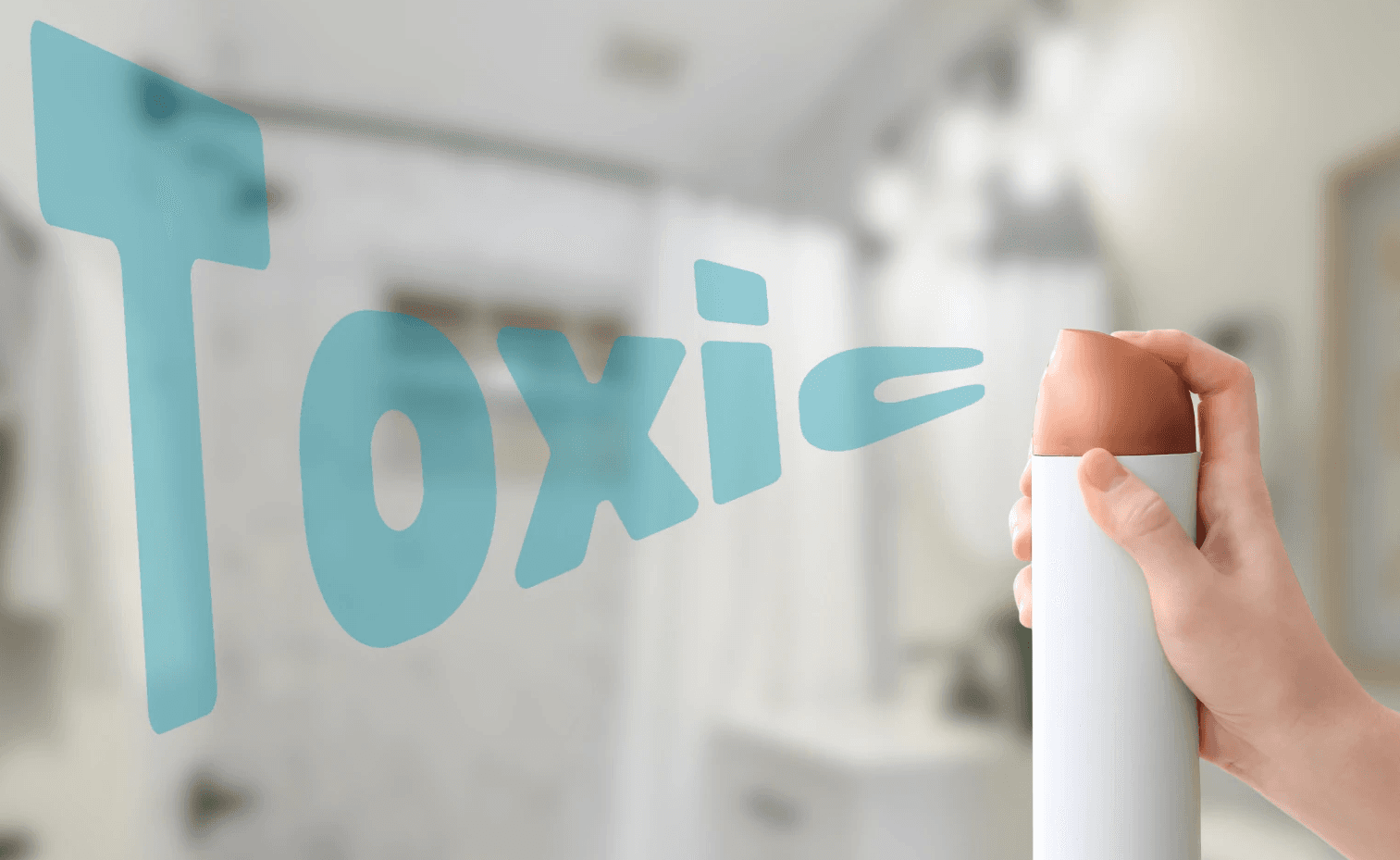
Everyday items like spray cleaners, air fresheners, hairspray, and even cooking fumes release aerosols into the air. And while they may seem harmless, they often contain toxic chemicals that can significantly impact your health — especially when trapped inside a poorly ventilated space.
What Are Aerosols?
Aerosols are tiny solid or liquid particles suspended in the air. They’re released through:
Air fresheners and disinfectant sprays
Cleaning products with synthetic fragrances
Hairspray and personal care items
Paints and insecticides
Cooking oils and smoke
Once released, these particles don’t just disappear — they linger in the air, settle on furniture, and become part of the environment you breathe every day.
Why Are Aerosols Harmful?
Many aerosol products emit volatile organic compounds (VOCs) — chemical gases that evaporate into the air and can cause:
Respiratory irritation
Headaches, brain fog, and fatigue
Asthma flare-ups
Hormone disruption (especially from synthetic fragrances and phthalates)
Potential long-term damage to the nervous system or lungs
Children, infants, pregnant women, and those with underlying health conditions are especially vulnerable.
“Indoor air can be 2–5 times more polluted than outdoor air.” — U.S. Environmental Protection Agency (EPA)
The Compounding Problem Indoors
Modern homes are built for energy efficiency, which often means tighter seals and less airflow. While great for keeping warm or cool, this also traps harmful aerosols and VOCs inside — allowing them to build up over time, especially if you’re using these products regularly.
What Can You Do to Protect Your Home?
Reducing your exposure to toxic aerosols doesn’t require a total lifestyle overhaul — but it does require awareness and small shifts:
Switch to low- or no-VOC products
Avoid synthetic fragrances in cleaners and air fresheners
Ventilate while cleaning or cooking — open windows or use exhaust fans
Use air purifiers with HEPA and activated carbon filters
Get a professional indoor air quality (IAQ) test to measure VOC levels
At UMP, We Take the Air You Breathe Seriously
As Certified Indoor Environmentalists, we don’t just test for mold — we assess the overall health of your indoor environment, including:
VOC and aerosol exposure
Moisture and humidity levels
Mold spores in air or on surfaces
Building factors that affect air quality
If your family is experiencing unexplained symptoms like chronic coughing, fatigue, or recurring headaches — it might be time to look at the air you’re breathing.
Let’s talk about a healthier home. We’re here to help. Message us directly or visit www.UtahMoldPros.com to learn more about our assessments.