
Mycotoxin Testing
Mycotoxin screening for medically-driven investigations with clear interpretation.
Other services
Mycotoxin Testing Services
Mycotoxins are toxic compounds produced by certain molds under specific environmental conditions. Mycotoxin testing detects these toxins rather than mold spores themselves, helping identify potential exposure risks in homes where occupants may be experiencing persistent health symptoms, sensitivities, or chronic illness potentially tied to mold exposure.
This type of testing can provide valuable information in medically-driven or complex cases — but it should be used as a supplement, not a replacement for standard mold inspection and testing.
What Is Mycotoxin Testing?
Unlike traditional mold testing that identifies spore types and concentrations, mycotoxin testing analyzes toxic byproducts produced by mold. These toxins can be inhaled, ingested, or absorbed through the skin, and may remain present even if spores are inactive or non-viable.
Mycotoxin testing is commonly considered when:
Working with a functional or environmental health provider
Symptoms persist despite remediation or relocation
Severe sensitivities or chronic inflammatory response (CIRS) are suspected
Standard mold tests show low spores but health concerns remain
Mycotoxin panels test for specific toxin markers, not the full range of mold species present.
Important Considerations & Disclaimer
Mycotoxin testing can be informative — however, clients should understand the context and limitations:
Not all molds produce mycotoxins, even if present
Absence of toxins does not mean absence of mold or fragments
Presence of toxins does not indicate current growth, only exposure
Mycotoxins may bind to dust or surfaces rather than air
This method does not identify mold species or spore levels
Bioactive fungal fragments (even without toxins) can still trigger reactions
Research suggests fungal fragments are often more harmful than spores due to size, penetration, and bioactivity. For this reason, mycotoxin results should be viewed as one data point — not the full picture.
We recommend mycotoxin testing only in cases where medical direction or unresolved symptoms justify deeper investigation, ideally combined with IAQ and/or mold testing for a complete environmental profile.
How We Perform Mycotoxin Testing
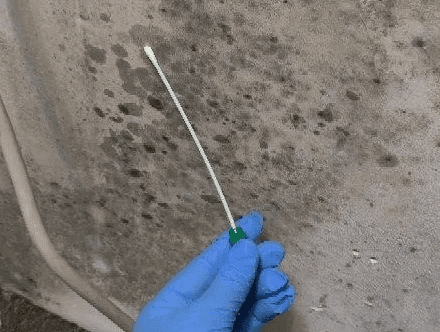
Dust or Surface Sample Collection
Collected from settled dust or targeted locations to detect toxin presence.
Laboratory Analysis
Samples are processed through a specialized laboratory panel to identify toxin markers.
Results & Review Consultation
We walk you through findings, exposure implications, and recommended next steps.
Why Choose UMP for Mycotoxin Testing
Offered for medically-indicated or advanced investigative cases
Objective testing — no remediation services
Science-based guidance and transparent interpretation
Not used alone — we ensure context with full environmental understanding
Supportive for clients navigating health concerns
Service Areas - Salt Lake County
We proudly serve homeowners, renters, landlords, and real estate professionals throughout Salt Lake County, including:
Salt Lake Valley
Salt Lake City
South Salt Lake
Millcreek
Holladay
Murray
Midvale
Sandy
Draper
Cottonwood Heights
West Valley City
West Jordan
South Jordan
Riverton
Herriman
Taylorsville
Kearns
Magna
If you're in Salt Lake County — we’re local, and we come to you.