
May 22, 2025
The Importance of Ventilation and a Healthy HVAC System in Your Home
When we think of protecting our health, we often focus on diet, exercise, and sleep. But one of the most overlooked aspects of well-being is something we do more than 90% of the time — spending time indoors. According to the U.S. Environmental Protection Agency (EPA), indoor air can be 2 to 5 times more polluted than outdoor air. That’s why proper ventilation and a well-functioning HVAC system are essential to a healthy home.
Why Ventilation Matters
Ventilation is your home’s first line of defense against indoor air pollution. It helps control moisture, remove airborne contaminants, and bring in fresh air from outside. Without it, your indoor environment can quickly become a closed loop of circulating dust, allergens, and biological pollutants like mold and bacteria.
Poor ventilation is commonly linked to:
Increased respiratory problems
Headaches and fatigue
Mold growth and moisture damage
Concentrated chemical exposure (from cleaning products, paints, etc.)
The EPA recommends source control (eliminating pollutants at their origin), followed by improved ventilation and air cleaning when needed. That’s where your HVAC system comes into play.
HVAC: Your Indoor Air Guardian
Heating, Ventilation, and Air Conditioning (HVAC) systems are more than just tools for comfort. When properly maintained, they serve a critical role in your home’s indoor environmental quality by:
Filtering airborne particles such as dust, pollen, pet dander, and smoke
Circulating and refreshing indoor air, preventing stagnation
Controlling humidity levels, which helps prevent mold and microbial growth
Reducing exposure to bacteria and viruses through filtration and airflow
According to the EPA and ASHRAE (American Society of Heating, Refrigerating and Air-Conditioning Engineers), key HVAC best practices include:
Use high-efficiency air filters — ideally MERV 13 or higher, depending on what your system can handle. These filters capture finer particles, including some bacteria and virus-sized contaminants.
Change your filters regularly — Typically every 1–3 months, but check manufacturer guidelines and consider more frequent changes if you have pets, allergies, or live in a dusty area.
Schedule professional HVAC inspections at least once a year — This ensures your system is clean, running efficiently, and free from mold or moisture issues.
Ensure proper ventilation — Modern homes are tightly sealed, which saves energy but traps air. Make sure your home has mechanical ventilation (like exhaust fans, energy recovery ventilators, or outside air intakes) that pulls in and circulates fresh air.
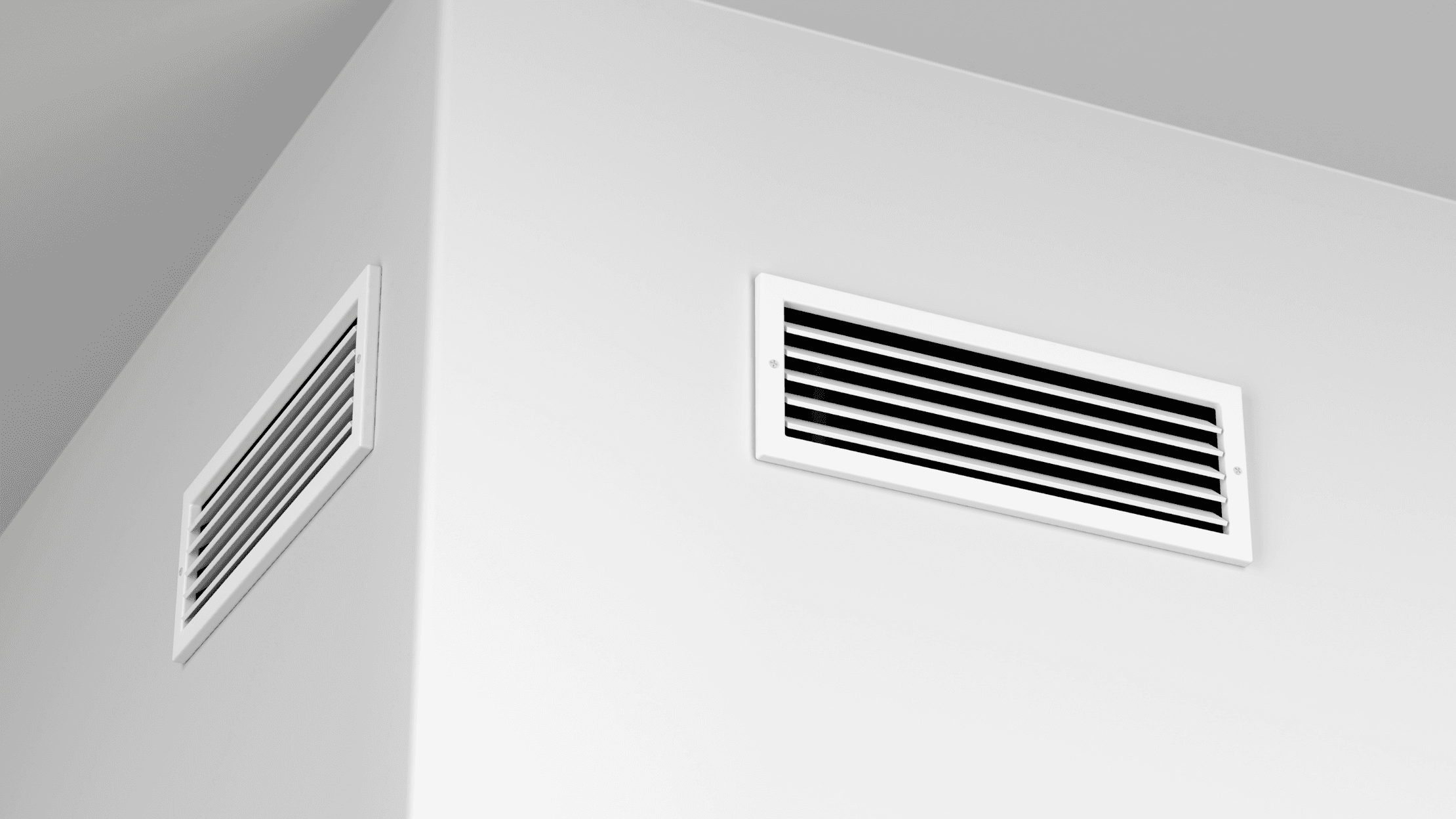
Keep air vents unblocked — Ensure furniture and rugs aren’t obstructing airflow throughout your home.
Don’t Forget: Bathroom & Kitchen Exhaust Fans
These fans are vital “spot ventilation” tools. Always run bathroom fans during and after showers, and make sure they’re venting outside, not into the attic (a common mistake that leads to hidden mold and moisture damage).
Kitchen range hoods should also vent to the exterior to remove smoke, grease, and combustion byproducts.
Final Thoughts
Your HVAC system is more than a comfort appliance, it’s an essential health device. When paired with proper ventilation practices, it helps create a cleaner, safer indoor environment for you and your family. As indoor environmental professionals, we urge homeowners to prioritize routine HVAC care and whole-home ventilation.
Breathe better. Live better.
Resources:
EPA Indoor Air Quality Guidelines: https://www.epa.gov/indoor-air-quality-iaq
ASHRAE Ventilation Standards: https://www.ashrae.org