Jan 10, 2026
What Snow and Cold Temperatures Mean for Mold Testing Results
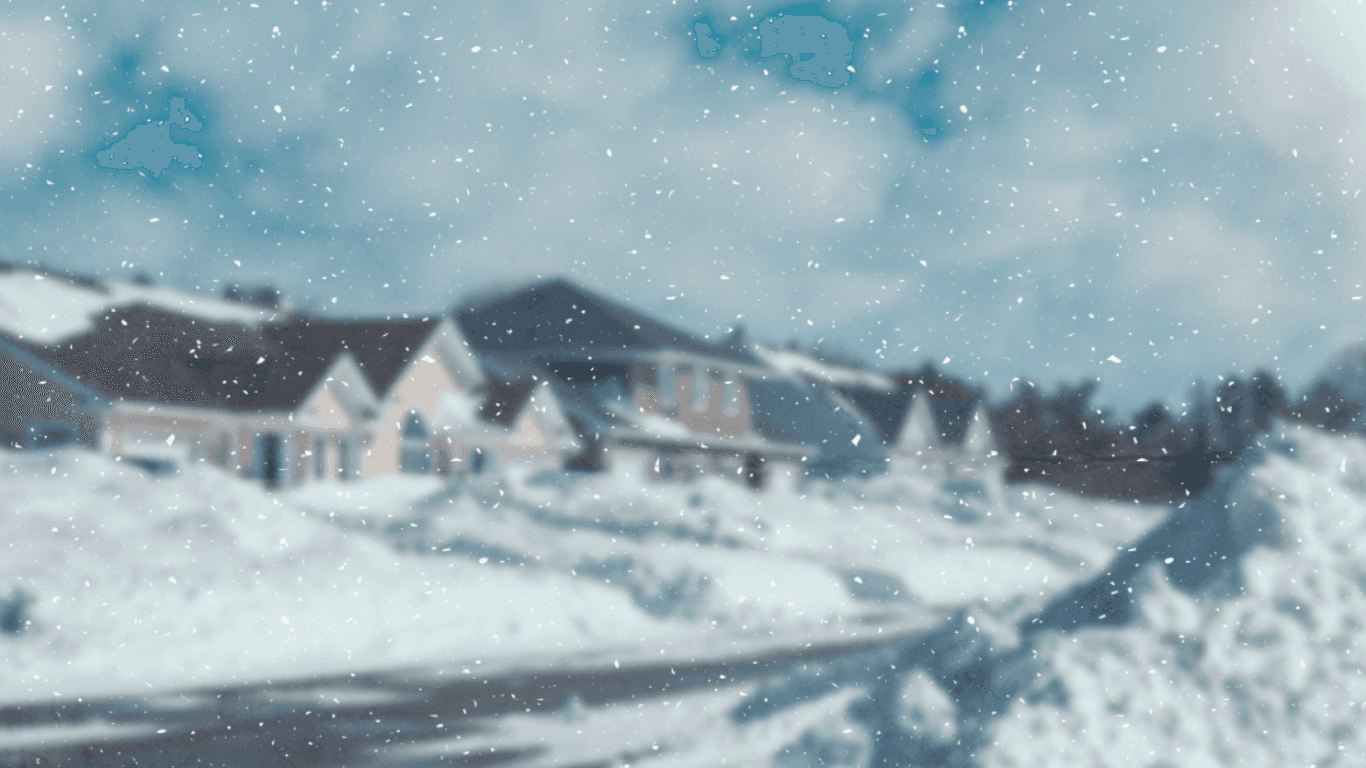
Winter brings a unique challenge for mold testing—especially in regions where snow, freezing temperatures, and prolonged cold are the norm. While mold problems don’t disappear in winter, how we test for mold—and how we interpret results—must change.
Inclement weather can influence spore behavior, sampling equipment performance, and the reliability of outdoor baselines. Below is what homeowners and inspectors should understand when mold testing is performed during snowy or freezing conditions.
How Cold Weather Affects Mold Spore Concentrations
Mold spores are always present in the environment, but temperature and moisture directly influence their activity and detectability.
Outdoor Spore Suppression
Cold temperatures and snow cover suppress outdoor spore counts
Snow physically traps spores and organic debris
Many fungi enter a dormant state during freezing conditions
As a result, outdoor air samples often show unusually low spore concentrations in winter, sometimes approaching zero.
Indoor Conditions Still Matter
While outdoor spores may drop, indoor environments remain active:
Heated homes create stable temperatures
Moisture sources (leaks, condensation, humidifiers) persist
Mold growth inside walls, attics, crawlspaces, or HVAC systems can continue year-round
This means indoor mold concerns do not disappear in winter, even if outdoor air appears “clean.”
Cold Weather and Air Sampling Equipment: A Hidden Risk
One of the most overlooked winter issues is equipment exposure—specifically spore trap cassettes.
Why Temperature Matters for Cassettes
Most air sampling cassettes contain an internal gel or adhesive pad designed to:
Capture airborne particles
Preserve spore morphology
Allow accurate microscopic analysis
Extreme cold can compromise this gel by:
Causing hardening or cracking
Reducing adhesive efficiency
Altering particle capture dynamics
If cassettes are:
Stored in freezing vehicles
Left outside before sampling
Exposed during transport
…the integrity of the sample may be compromised, potentially skewing results or undercounting spores.
Best Practices for Inspectors
Store cassettes in temperature-controlled cases
Avoid prolonged exposure to freezing conditions
Allow cassettes to acclimate to indoor temperatures before use
Follow manufacturer storage guidelines closely
This step alone can make the difference between defensible data and questionable results.
Is Air Sampling Recommended During Snowy Conditions?
This is where the answer becomes nuanced.
The Challenge of the Outdoor Baseline
In mold testing, indoor air samples are typically compared to an outdoor reference sample. In winter:
Outdoor counts may be artificially low
Snow-covered ground suppresses spores
The “baseline” may not reflect true environmental conditions
This can make indoor samples appear elevated, even when no active indoor amplification exists—or conversely, make interpretation difficult due to the lack of a meaningful comparison.
So… Should You Still Air Sample?
Sometimes—yes. But with caution.
Air sampling may still be appropriate when:
There are clear indoor complaints (odors, symptoms, visible growth)
The goal is indoor comparison (room-to-room, floor-to-floor)
Samples are interpreted alongside visual inspection and moisture data
However, air sampling should not be used in isolation during inclement weather.
A Better Winter Testing Approach
During snowy or freezing conditions, mold assessments should emphasize a holistic inspection strategy:
Visual inspection of known moisture-prone areas
Moisture mapping (walls, ceilings, basements, crawlspaces)
Thermal imaging to identify hidden condensation or leaks
Surface or cavity sampling when justified
Context-aware interpretation of any air samples collected
In winter, the inspector’s expertise matters more than the numbers alone.
Key Takeaways
Cold weather suppresses outdoor mold spores, skewing baselines
Spore trap cassettes can be damaged by freezing temperatures
Outdoor air samples may not reflect “normal” conditions
Indoor mold issues still exist year-round
Winter testing requires judgment, not just data
Final Thought
Mold testing during inclement weather isn’t wrong—but it demands a higher level of care, context, and interpretation. Whether you’re a homeowner or an inspector, understanding these limitations ensures results are accurate, defensible, and meaningful.