
Pre-Drywall Mold Inspections: Why They Matter (and When to Get One)
When building a new home, most people assume mold isn’t a concern. After all—everything is brand new. No leaks, no flooding, no history… right?
Unfortunately, new construction is one of the most vulnerable phases for mold growth, especially before drywall is installed. That’s where a pre-drywall mold inspection comes in.
What Is a Pre-Drywall Mold Inspection?
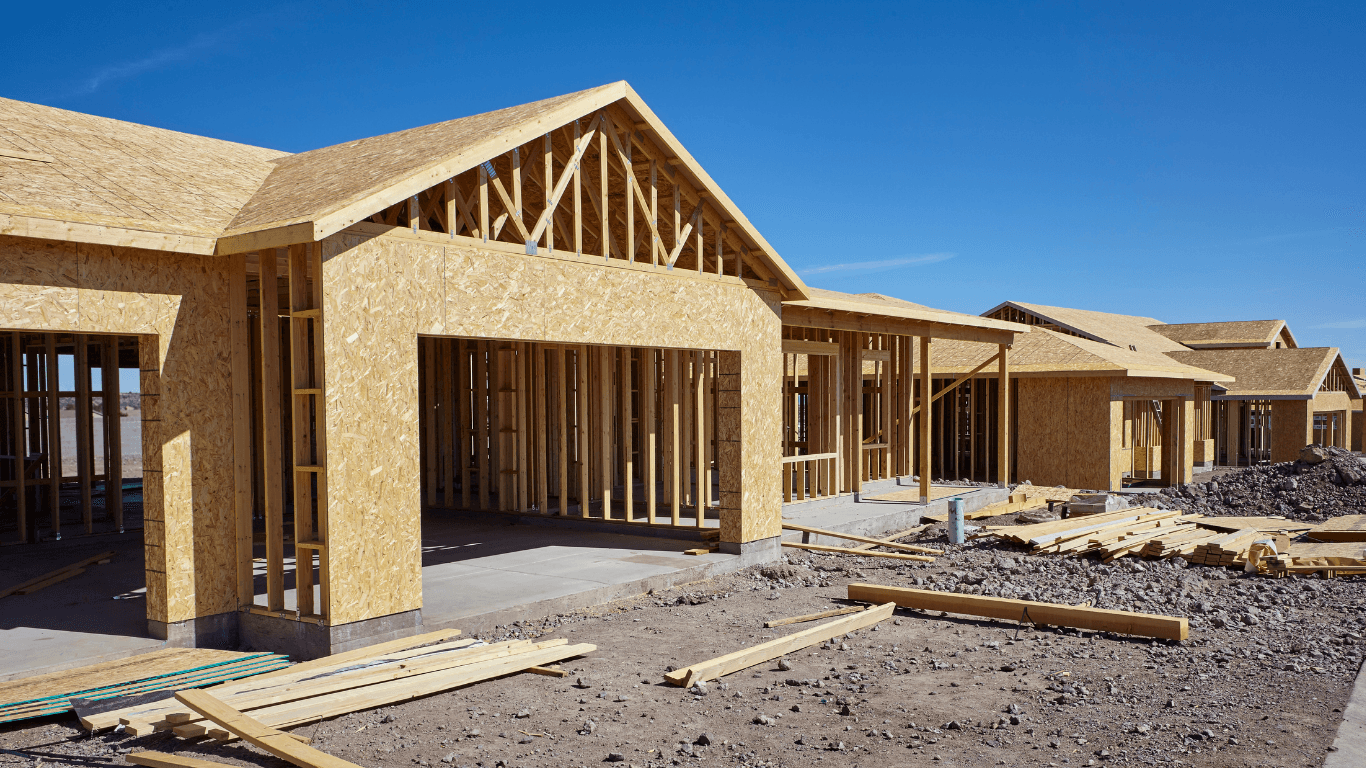
A pre-drywall mold inspection is performed after framing, plumbing, and HVAC rough-ins are complete—but before insulation and drywall go up.
At this stage, all structural components are still visible, making it the only opportunity to inspect:
Framing lumber
Subfloors
Sheathing
Plumbing penetrations
HVAC components
Moisture-prone areas (bathrooms, kitchens, exterior walls)
Once drywall is installed, many of these areas become inaccessible without destructive testing.
Why Mold Is Common in New Construction
1. Lumber Starts Wet
Most framing lumber arrives with elevated moisture content. That’s normal.
What matters is whether it has adequate time and airflow to dry before being enclosed.
If drywall is installed too early, moisture becomes trapped—creating ideal conditions for microbial growth.
2. Weather Exposure During Construction
Rain, snow, and humidity frequently impact homes mid-build:
Roofs may not be fully sealed
Windows and doors may not yet be installed
Water can sit inside wall cavities or on subfloors
Even brief exposure can raise moisture levels enough to support mold.
3. Construction Timelines Are Tight
Builders are under pressure to keep projects moving. Drying time is often sacrificed for speed, especially in competitive housing markets.
The result? Drywall installed over materials that haven’t fully dried.
What a Pre-Drywall Mold Inspection Evaluates
A professional inspection typically includes:
Moisture Mapping
Using non-invasive and pin-type moisture meters to measure:
Framing moisture content
Subfloor moisture levels
Areas around plumbing and exterior penetrations
As a rule of thumb, wood moisture content should generally be below ~15–17% before enclosure, depending on conditions.
Visual Assessment
Inspectors look for:
Visible fungal growth
Staining or discoloration
Water marks or swelling
Construction defects that may allow future moisture intrusion
HVAC & Ventilation Review
Early HVAC issues—such as improper drainage or airflow design—can create long-term humidity problems if not corrected early.
Why This Inspection Is So Important
Problems Are Easy (and Cheap) to Fix
Before drywall:
Cleaning is straightforward
Drying is effective
No demolition is required
After drywall:
Walls may need to be opened
Insulation may need replacement
Costs increase significantly
Prevents Hidden Mold
Once drywall goes up, mold can grow undetected for months or years, sometimes only discovered after occupants experience health symptoms or musty odors.
Protects Long-Term Indoor Air Quality
Mold behind walls can continuously release spores and fragments into the living space—impacting indoor air quality even if the mold is never visible.
Who Should Consider a Pre-Drywall Mold Inspection?
You should strongly consider one if:
You or a family member has asthma, allergies, or mold sensitivity
The home experienced rain exposure during framing
Construction occurred during humid or wet seasons
You want documentation that moisture conditions were acceptable before enclosure
You’re building a high-value or custom home
Final Thoughts
A pre-drywall mold inspection isn’t about assuming something is wrong—it’s about verifying that everything is right before it’s sealed in permanently.
It’s one of the highest-ROI inspections a homeowner can get during construction and often provides peace of mind that lasts for years.
If you only get one mold inspection during the build process—this is the one to get.


