
What Causes Mold in Homes? A Building Science Perspective
What Causes Mold in Homes? A Building Science Perspective
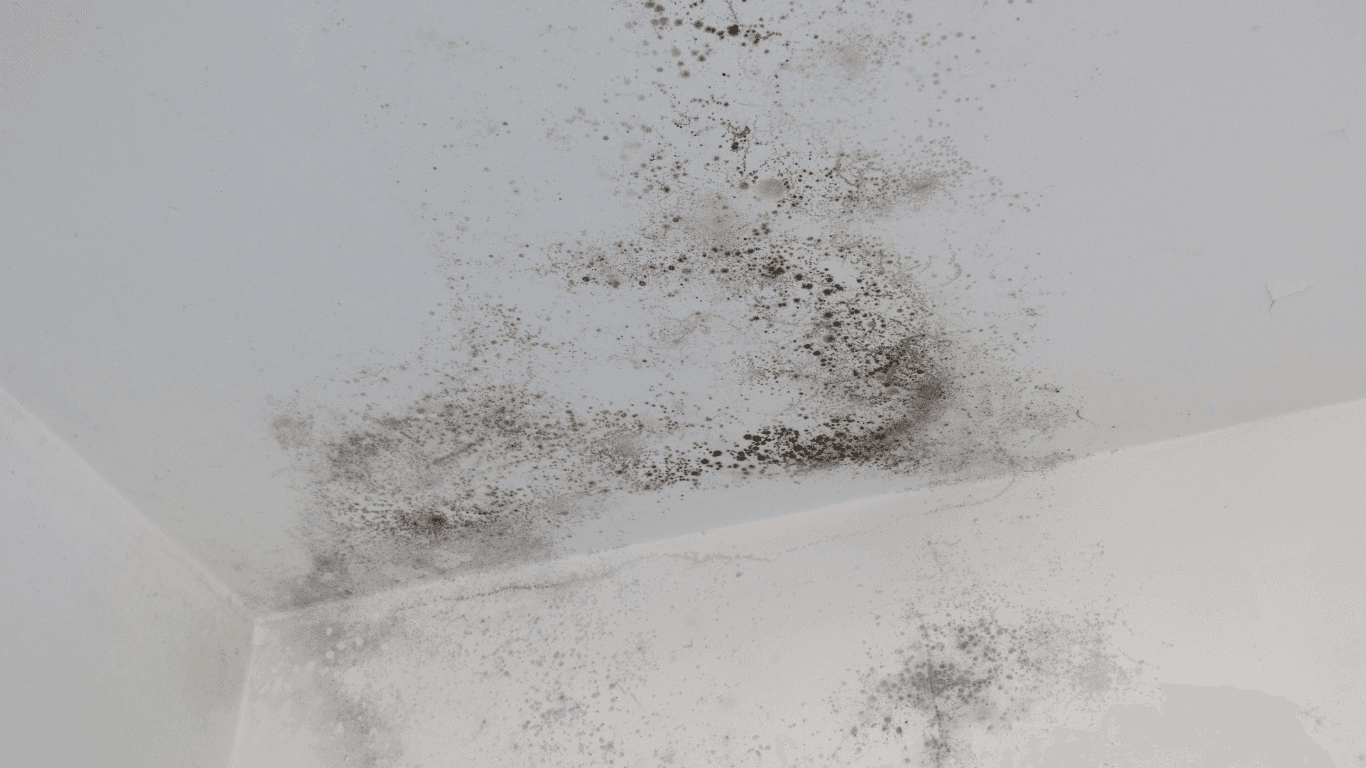
Mold growth inside a home is often treated as an isolated issue. In reality, it is a signal — an indication that conditions within the building have allowed it to develop.
At its core, mold requires three things: a food source, appropriate temperature, and moisture. In residential environments, the first two are almost always present. Building materials such as drywall, wood, and dust provide ample nutrients, and indoor temperatures are typically within the range that supports microbial growth.
Moisture is the determining factor.
Understanding where that moisture comes from is the key to understanding — and preventing — mold.
Mold is a moisture-driven problem
Mold does not appear randomly, and it does not persist without a source of water.
Organizations such as the United States Environmental Protection Agency (EPA) and the Centers for Disease Control and Prevention (CDC) consistently emphasize the same principle: controlling moisture is the primary method of controlling mold.
When moisture is introduced into a building and not properly managed, microbial growth can begin within 24 to 48 hours under the right conditions.
The challenge is that moisture is not always visible.
Water intrusion from leaks and building envelope failures
One of the most direct causes of mold is water intrusion.
This can occur through roof leaks, plumbing failures, window or flashing defects, or foundation issues that allow water to enter the structure. Even small, slow leaks can create conditions for mold if they persist over time.
In many cases, the damage is concealed. Water may travel along framing or insulation before becoming visible, allowing mold to develop behind walls or beneath flooring long before it is detected.
Guidance from organizations like the American Industrial Hygiene Association (AIHA) and the Institute of Inspection Cleaning and Restoration Certification (IICRC S520 standard"] emphasizes the importance of identifying and correcting these moisture sources as the first step in any remediation process.
Without addressing the source, mold will return.
Condensation and humidity imbalance
Not all moisture problems come from leaks. Many are driven by condensation.
Condensation occurs when warm, humid air comes into contact with cooler surfaces, such as windows, exterior walls, or poorly insulated areas. Over time, this repeated moisture exposure can support mold growth even in the absence of a traditional water event.
This is particularly relevant in climates with temperature swings, where indoor and outdoor conditions fluctuate significantly.
The American Society of Heating, Refrigerating and Air-Conditioning Engineers (ASHRAE) provides guidelines for maintaining indoor humidity levels to reduce condensation risk, typically recommending relative humidity levels that limit sustained moisture on surfaces.
When ventilation is inadequate or humidity is not controlled, condensation becomes a common driver of mold.
HVAC systems and airflow dynamics
Heating and cooling systems play a significant role in indoor environmental conditions.
Poorly maintained HVAC systems can contribute to mold growth through condensation on coils, clogged drain lines, or accumulation of dust and debris. In some cases, the system can also act as a distribution pathway, circulating spores and particulates throughout the home.
Improper airflow and pressure imbalances can further complicate the issue. Negative pressure can draw contaminants from crawlspaces or wall cavities into living areas, while inadequate ventilation can allow humidity to build.
Evaluating HVAC performance is a critical part of understanding mold conditions within a building.
Basement and crawlspace moisture
Below-grade spaces are among the most common areas for moisture-related issues.
Basements and crawlspaces are naturally prone to moisture intrusion due to soil contact, hydrostatic pressure, and limited airflow. Even in relatively dry climates, water can migrate through foundation walls or accumulate due to drainage issues.
Over time, this can lead to elevated humidity, damp materials, and conditions that support mold growth.
The United States Environmental Protection Agency (EPA) identifies basements as a frequent source of indoor moisture problems, particularly when waterproofing and drainage are insufficient.
Past water damage that was not fully addressed
Not all mold issues are active in the present. Some are the result of past events that were not properly remediated.
After a leak or flood, materials may appear dry on the surface while retaining moisture internally. If drying is incomplete or contaminated materials are not removed, mold can persist or re-emerge later.
This is one of the more common scenarios in residential inspections — a previous issue that was partially addressed but not fully resolved.
Standards such as the Institute of Inspection Cleaning and Restoration Certification (IICRC S520) emphasize proper drying, removal of affected materials when necessary, and verification of conditions to prevent recurrence.
Utah-specific considerations
Homes in regions like Salt Lake County often present a unique set of conditions.
The dry climate can create a false sense of security, but moisture issues still occur — often in less obvious ways. Seasonal condensation, snowmelt, basement construction, and evaporative cooling systems can all introduce moisture into the indoor environment.
Because these issues are frequently hidden, mold growth may develop without clear visual indicators.
This makes a building-focused assessment essential when evaluating potential concerns.
The common thread: moisture control
Across all of these scenarios, the underlying principle is consistent.
Mold is not the primary problem. It is a result of conditions within the building.
Controlling those conditions — particularly moisture — is what prevents growth from occurring in the first place.
This is why professional evaluations focus on identifying sources, understanding building behavior, and addressing root causes rather than simply measuring or reacting to mold itself.
Final perspective
Mold is often treated as an isolated issue, but it is more accurately understood as a symptom of how a building interacts with water and air.
When moisture is managed effectively, mold becomes far less likely to develop. When it is not, growth is only a matter of time.
Understanding the causes allows homeowners to move beyond reaction and toward prevention — which is where the most meaningful long-term solutions are found.
About the Author
Written by Devon Kennedy, Certified Indoor Environmentalist through the American Council for Accredited Certification (ACAC) and founder of Utah Mold Pros. His work focuses on moisture-driven investigations, HVAC-related contamination, and building science-based indoor environmental assessments across Utah.


